I want to suggest that we divide play into two major categories; active and passive. The passive
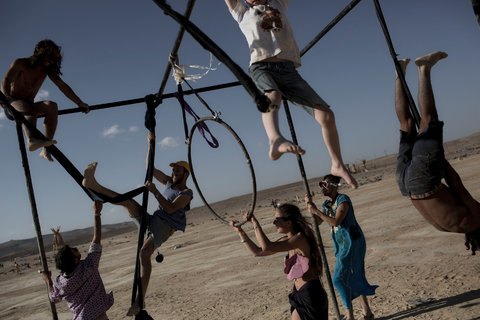
forms — let’s call them amusements — are indeed suspicious, as they seem to anesthetize the agent and reduce creative engagement. From our “bread and circuses” television culture to Aldous Huxley’s soma culture in “Brave New World,” the passive forms of leisure are cheap pleasures that come at no effort, skill or struggle. On the other hand, active play — everything from sport to music to chess, and even some video games — energizes the agent and costs practice, skill, effort and calories. Even the exploration of conscious inner-space, through artificial or natural means, can be very active. The true cultures of meditation, for example, evidence the rigors of inner-space play.
Philosophy should come out to play.
via Reclaiming the Power of Play – NYTimes.com.


 CALL ME MAGGIE
Leave a comment